Test before feeding
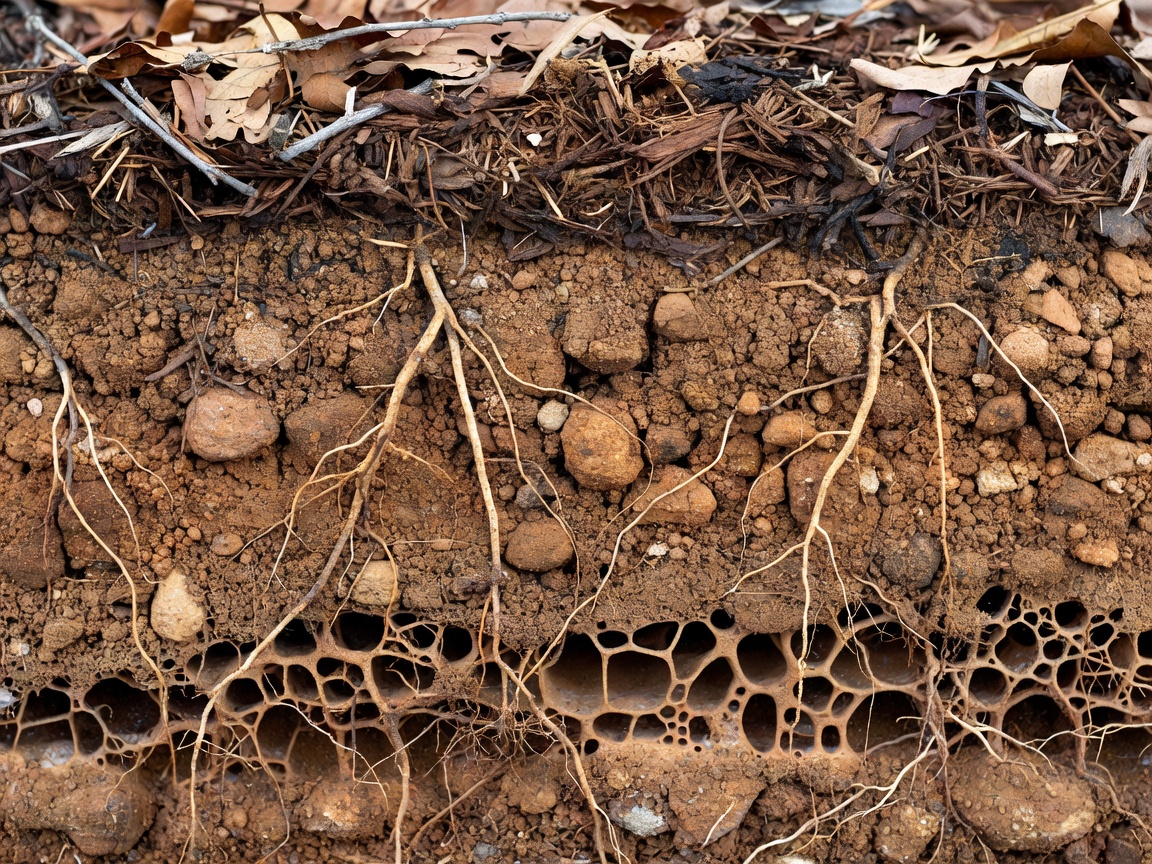
A soil test can identify pH and selected nutrient levels and help avoid unnecessary fertilizer. Follow the laboratory's sampling instructions, keep distinct management areas separate and explain the intended planting. A lawn, vegetable bed and native dry-prairie planting may call for different interpretations.
The University of Minnesota Soil Testing Laboratory provides sampling guidance. A routine fertility test is not a comprehensive contamination screen, infiltration test or soil biology diagnosis. Ask specifically about the question you need answered instead of assuming one test covers everything.
Do not add lime, sulfur or fertilizer just because a neighbor does. Excess nutrients can harm plants, accumulate in soil or move into waterways. In Minnesota, check current phosphorus fertilizer restrictions and any applicable exceptions before treating turf.
Protect structure before adding material
Avoid working soil when it is so wet that it smears or compresses. Keep vehicles and repeated foot traffic out of growing areas. Permanent access routes and temporary ground protection during construction can prevent damage that a bag of compost will not repair.
Do not routinely till established beds, especially near tree roots. Disturbance can expose weed seeds, break aggregates and damage roots. Where severe compaction limits planting, obtain advice on a suitable remedy rather than assuming deeper digging is always better.
Adding small amounts of sand to clay is not a reliable shortcut to drainage. Match plants to the soil where possible, and address grading or drainage problems separately. Raised beds may help some uses, but they also require suitable materials, drainage and ongoing water management.
Make compost with air and balance
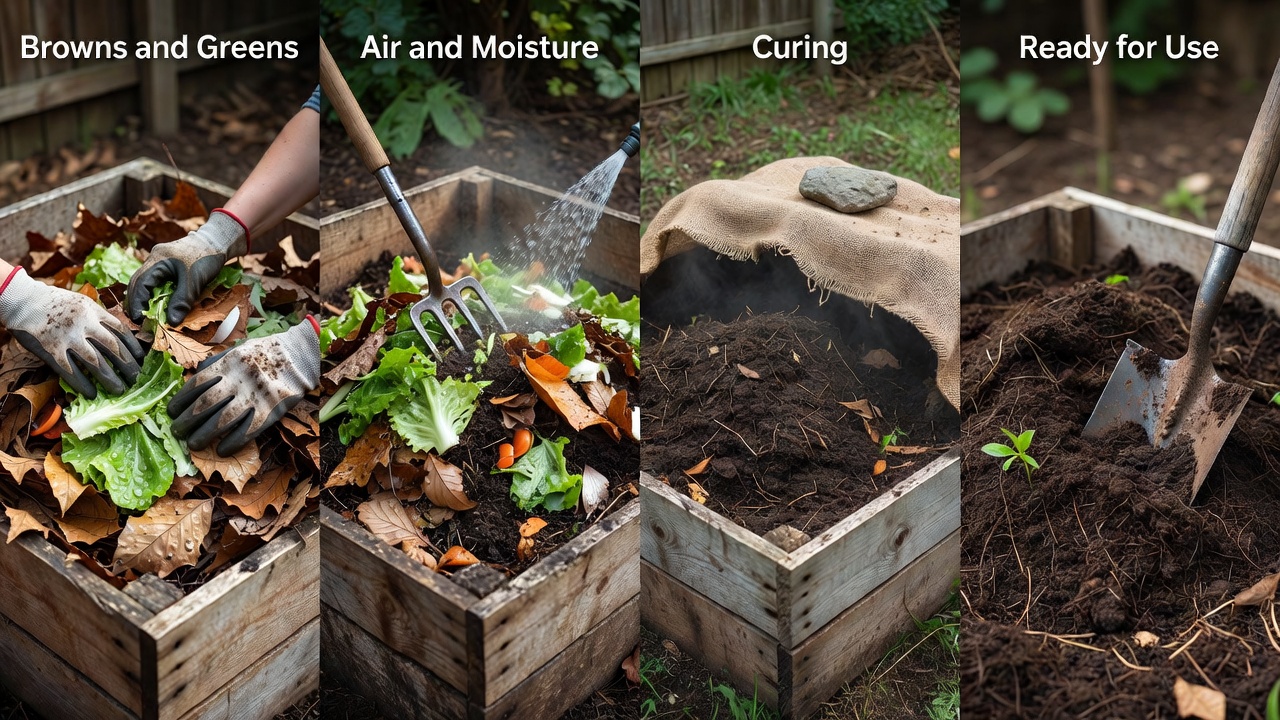
A backyard pile works through decomposition by organisms that need appropriate moisture and oxygen. Mix carbon-rich materials such as dry leaves and uncoated shredded cardboard with nitrogen-rich materials such as fresh plant trimmings and fruit or vegetable scraps. Material size and packing affect airflow.
A useful starting feel is damp rather than dripping. If the pile is dry and inactive, add water gradually while mixing. If it smells sour or rotten, check for excess moisture and compaction, then incorporate dry structural material and improve airflow. Turning can redistribute moisture and expose undecomposed pockets.
There is no universal calendar for finished compost. Ingredient mix, pile size, weather and management all influence speed. Minnesota winter slows decomposition; a quiet winter pile is not necessarily a failed one.
Choose ingredients carefully
For a basic household system, keep out meat, dairy, greasy foods, pet waste and treated wood. These can create pest, odor or contamination problems. Follow local rules and the limits of your particular system; municipal organics programs may accept materials that a backyard pile should not.
Do not assume an ordinary home pile becomes hot enough to kill every weed seed or plant pathogen. Keep troublesome seed heads and diseased plant material out unless you have a suitable, verified process. Herbicide residues in some grass clippings, hay or manure can also damage sensitive plants.
Use finished compost with restraint
Finished compost generally smells earthy and no longer resembles most original ingredients, although woody pieces may remain. Let material stabilize before placing it around sensitive seedlings. If buying compost, ask about feedstocks, maturity and quality testing rather than relying only on color.
Compost contributes nutrients as well as organic matter. Repeated heavy applications can raise phosphorus or soluble salts. Use soil-test guidance and plant needs to decide whether to add it, how much to use and where it belongs. A low-fertility native planting may not need enrichment at all.
Keep amendments out of waterways and storm drains. Do not bury tree root flares or build a mound of organic material against trunks.
Keep a useful surface cover
Leaves, appropriate mulch and living plants can protect soil from raindrop impact and reduce evaporation. Choose a cover suited to the planting: a seedbed has different needs from a shrub border, and some native ground-nesting insects need patches of accessible soil.
Keep mulch away from stems and inspect what happens beneath it. Thick, matted layers can impede seedlings or hide persistent moisture problems. Avoid treating landscape fabric as a permanent solution to weeds in a changing perennial bed.
Revisit the soil each season. Easier infiltration, improved rooting and less crusting are useful observations, but visible change takes time. Keep records of amendments so the next decision builds on evidence rather than habit.